
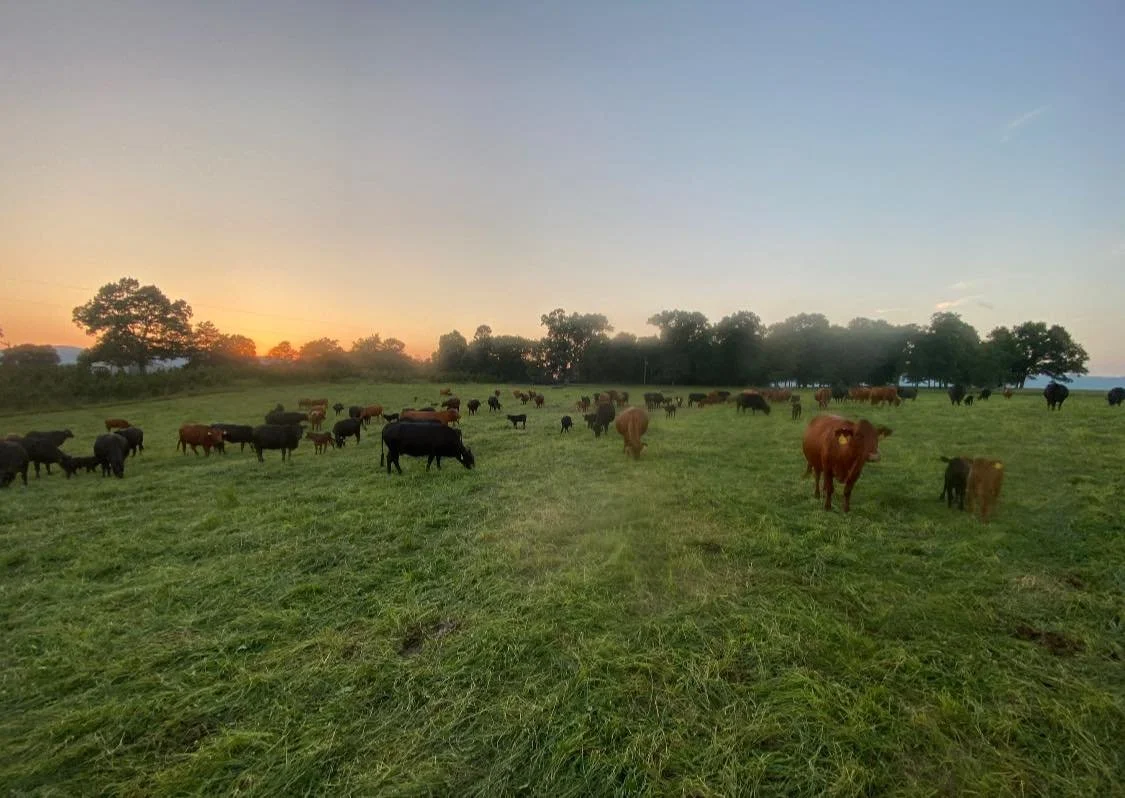
Robbins Ranch
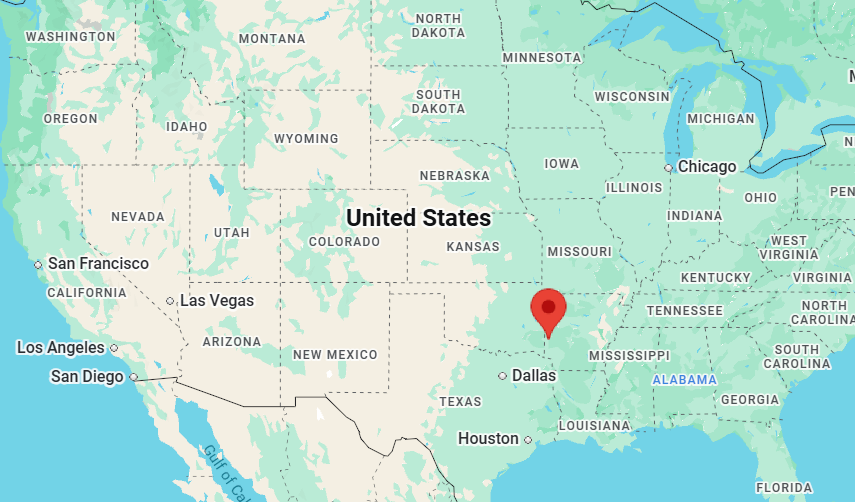
Mena, Arkansas, United States
Average 58” of annual rainfall
957 ft above sea level
Avg. Jan min temp of 34° deg. F
Avg. July max temp of 94° deg. F
Average 220 growing days
Some places expose cattle quickly. Southwest Arkansas is one of them.
The Robbins family has been on their original ground since 1961, long enough to see cattle production cycle through trends, technologies, and promises that did not always hold up under real conditions. Like many operations in the Southeast, their ranch operated conventionally for decades, cutting hay through the summer, feeding it back through the winter, and relying on fertilizer and outside inputs to maintain pasture productivity. Over time, it became clear that this approach demanded more correction each year while delivering less return.
In the late 1990s, Matt’s father began questioning whether that system could continue. Input costs were rising, margins were tightening, and the land itself seemed to require constant support just to hold steady. Without access to today’s regenerative playbooks, he began experimenting on his own, starting with electric fencing and rotational grazing. What followed was not a sudden shift, but a gradual process of observation, adjustment, and refinement, learning what worked, discarding what did not, and building a system suited to their place.
As grazing pressure increased and management improved, a second limitation emerged in the cattle themselves. Heat, humidity, and parasite pressure in southwest Arkansas exposed weaknesses in genetics that had survived only under high input conditions. Angus and Continental influenced cattle struggled during the summer months, limiting grazing flexibility and forcing management concessions that conflicted with the direction of the ranch. It became clear that management alone could not solve the problem. Genetics had to change alongside it.
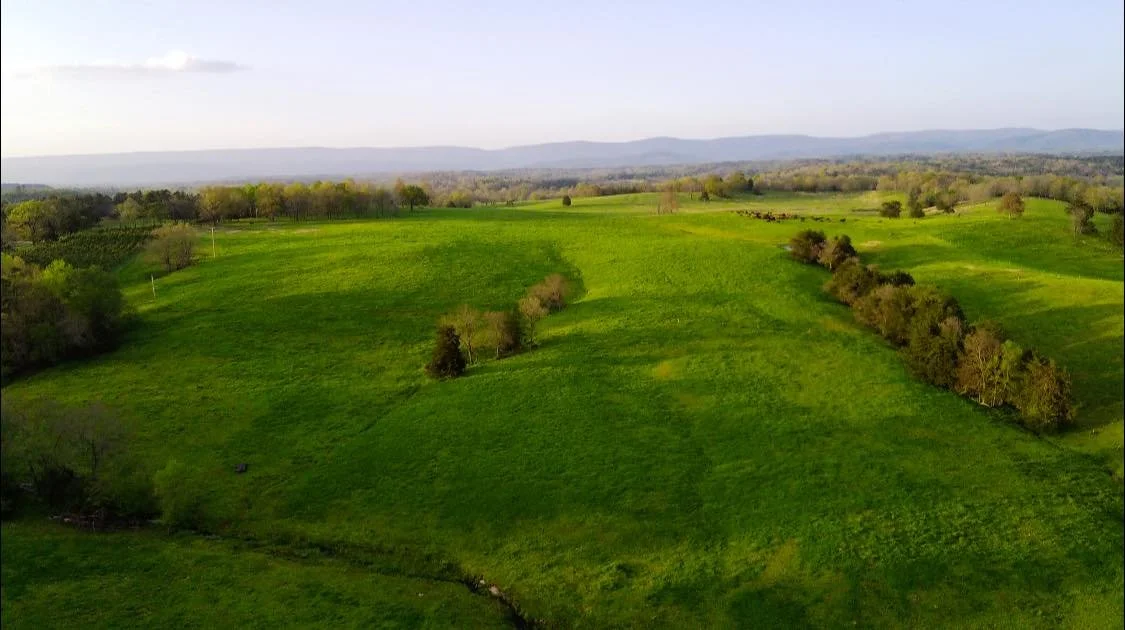
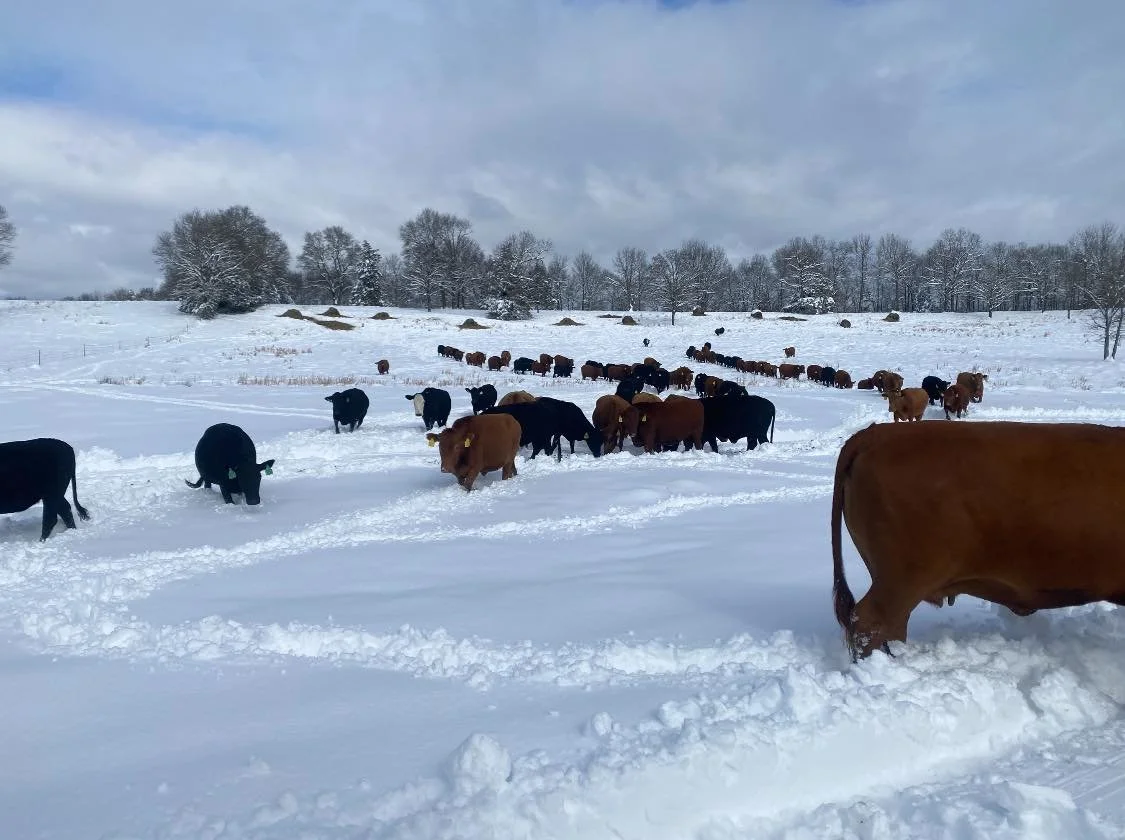
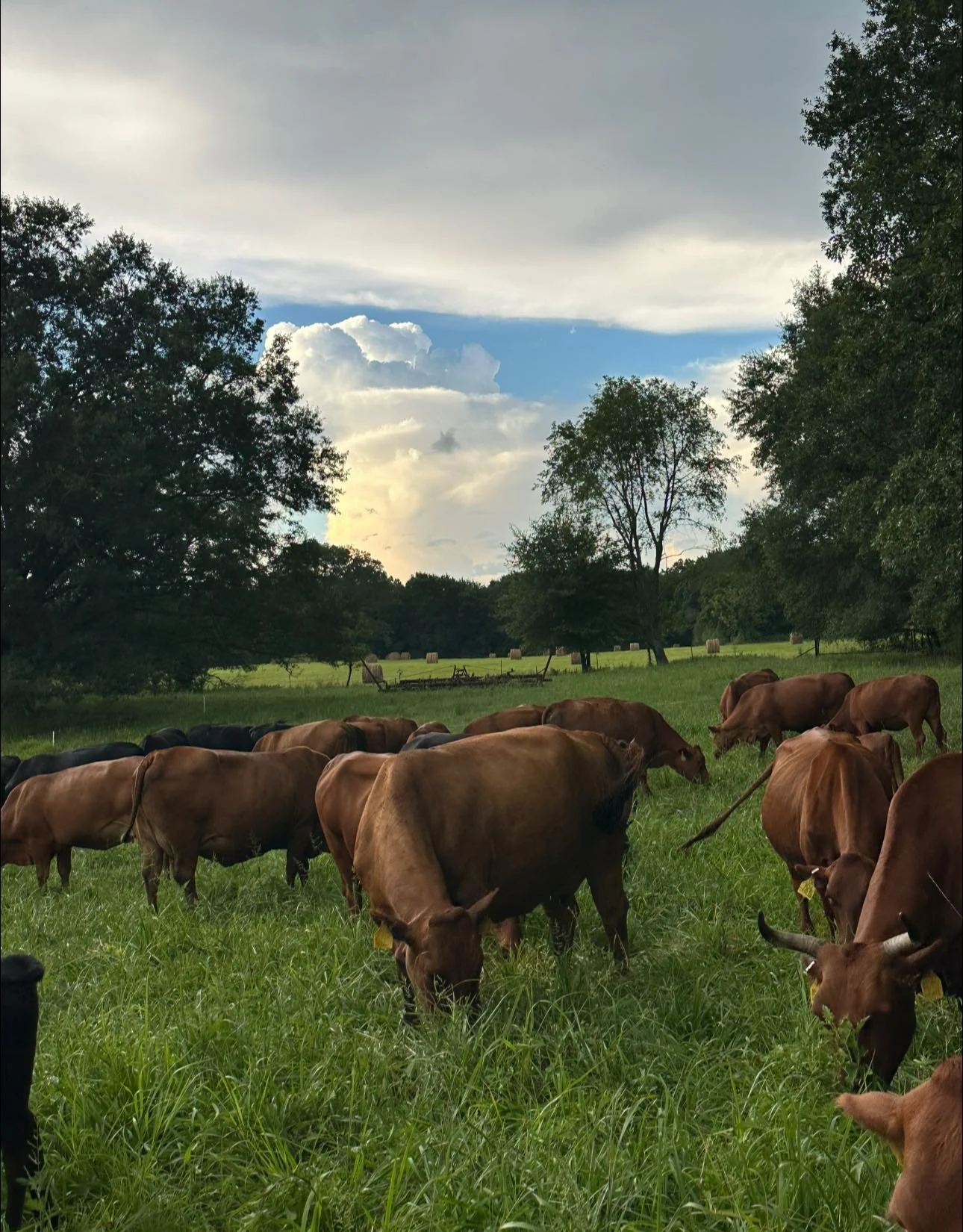
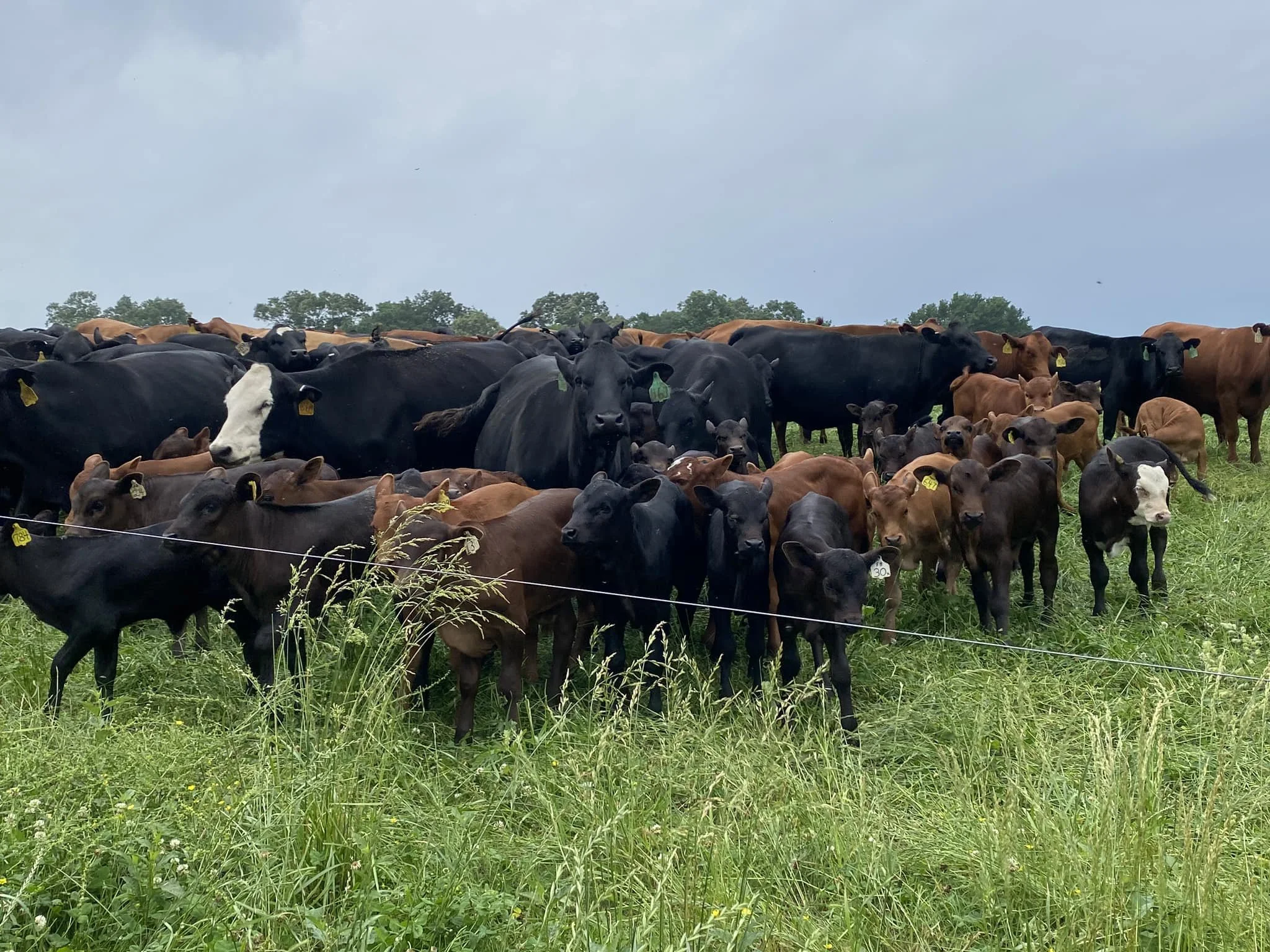
Southwest Arkansas is demanding cattle country. High rainfall, acid leaning soils, intense summer heat, persistent humidity, and limited nighttime relief create conditions that cattle cannot out eat or out supplement. Warm season forages decline quickly in quality, parasite pressure is constant, and cattle mismatched to the environment reveal themselves through poor fertility, loss of condition, or ongoing need for intervention. The Robbins program is built around a simple principle. Cattle must fit the country, not the other way around.
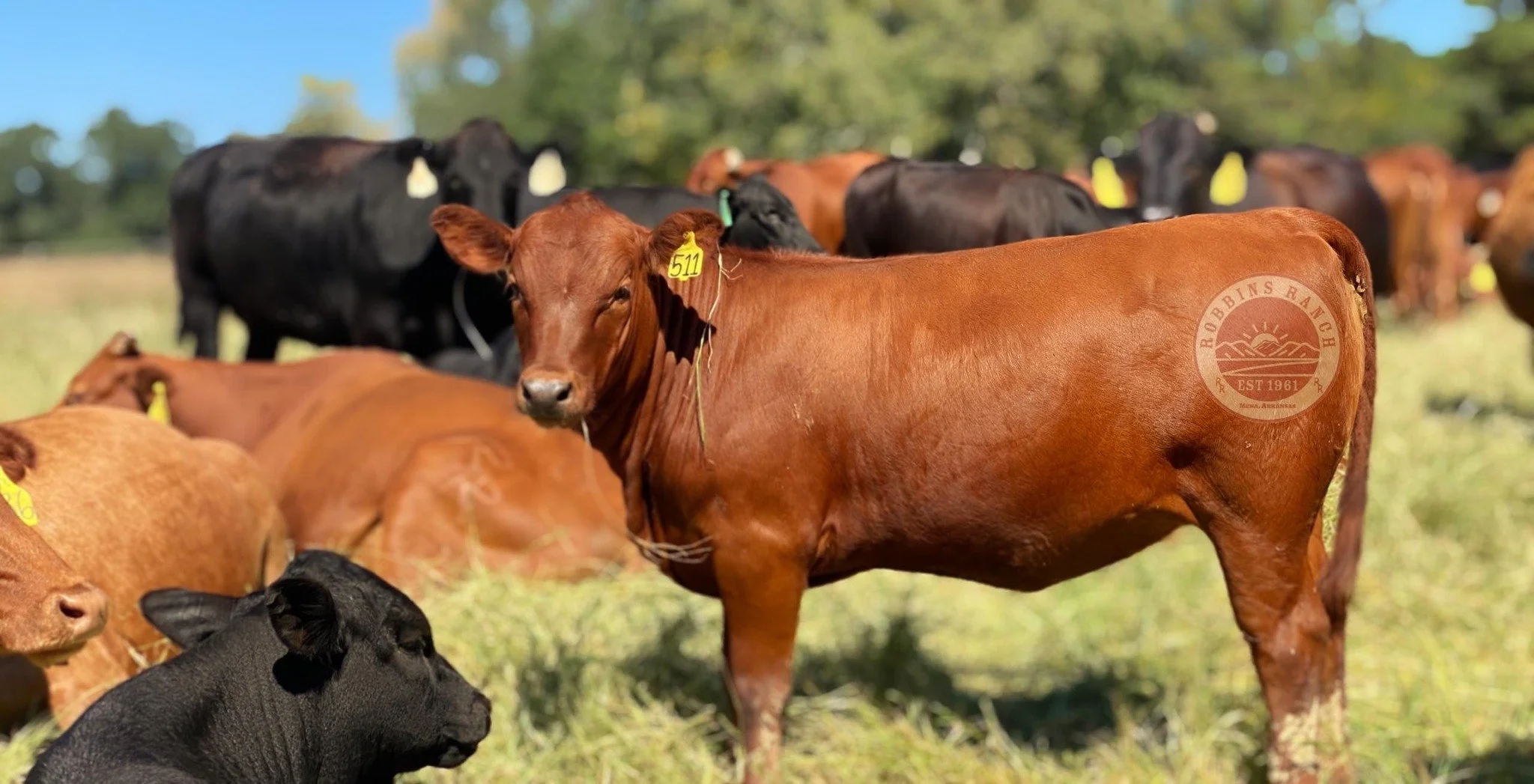
That search led them to Mashona cattle and eventually to a Mashona led composite developed specifically for their environment. The goal was never novelty, but function. Mashona offered heat and humidity tolerance, parasite resistance, fertility on lower quality forage, and maternal efficiency shaped by natural selection. To maintain commercial viability, the composite incorporates Angus and a small influence of Beefmaster, resulting in cattle that function under pressure while still producing calves that are marketable through conventional channels.
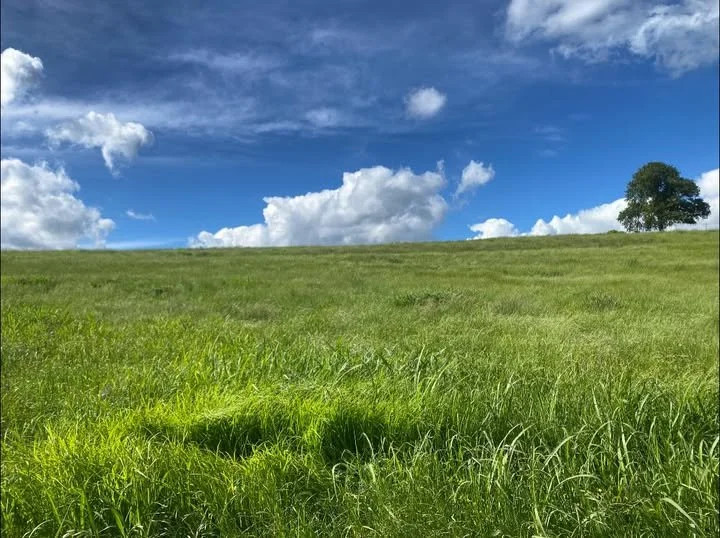
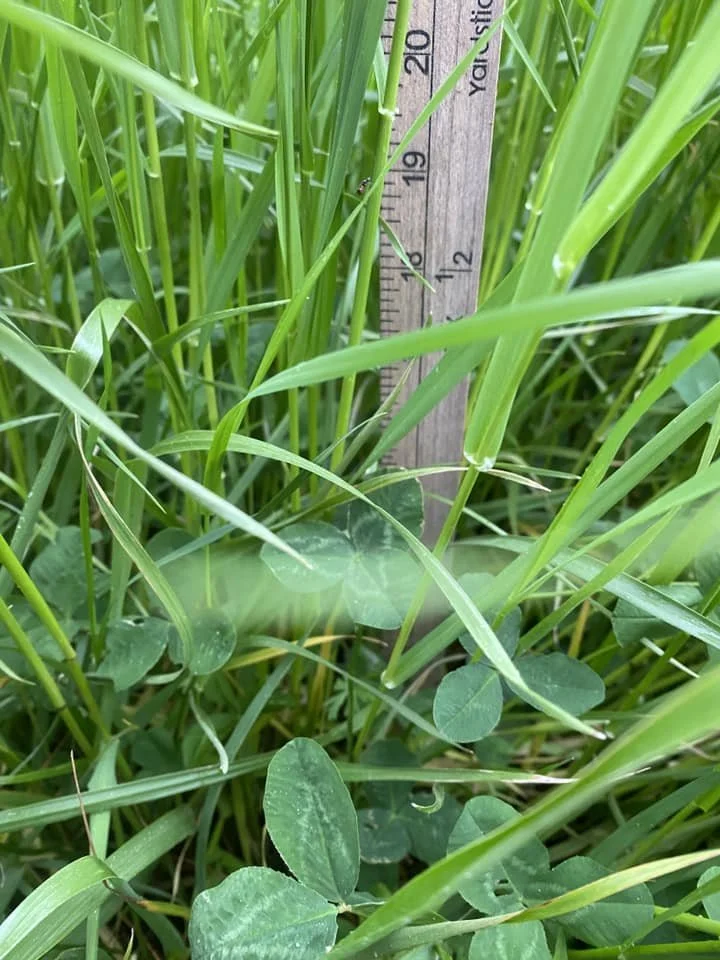
Today, genetics and management operate together. The ranch uses ultra high density grazing, moving cattle an average of four times per day during the growing season. By concentrating animals into small paddocks, often less than an acre per day, the operation increases forage utilization while allowing the majority of the ranch to rest, recover, and stockpile. Recovery is guided by plant readiness rather than fixed calendars, acknowledging that weather and growing conditions dictate forage response.
This approach has dramatically reduced reliance on hay. Hay is now reserved primarily for weaned calves and a short buffer of approximately thirty to forty five days for cows late in the third trimester when stockpiled forage quality declines. Even then, targeted protein supplementation often replaces hay at a fraction of the cost. The result is fewer inputs, lower expenses, and more days grazing forage grown in place.
The cattle program reflects the same discipline. The herd operates under a single 45 day breeding season, eliminating overlapping calving windows and placing every cow on the same nutritional and environmental plane. Selection pressure is intentional and firm. Bulls are chosen from cow families proven through Johann Zietsman’s two three principle, females that conceive as yearlings, calve as two year olds, and rebreed while still growing and raising a calf. Fertility is not assumed. It is demonstrated.
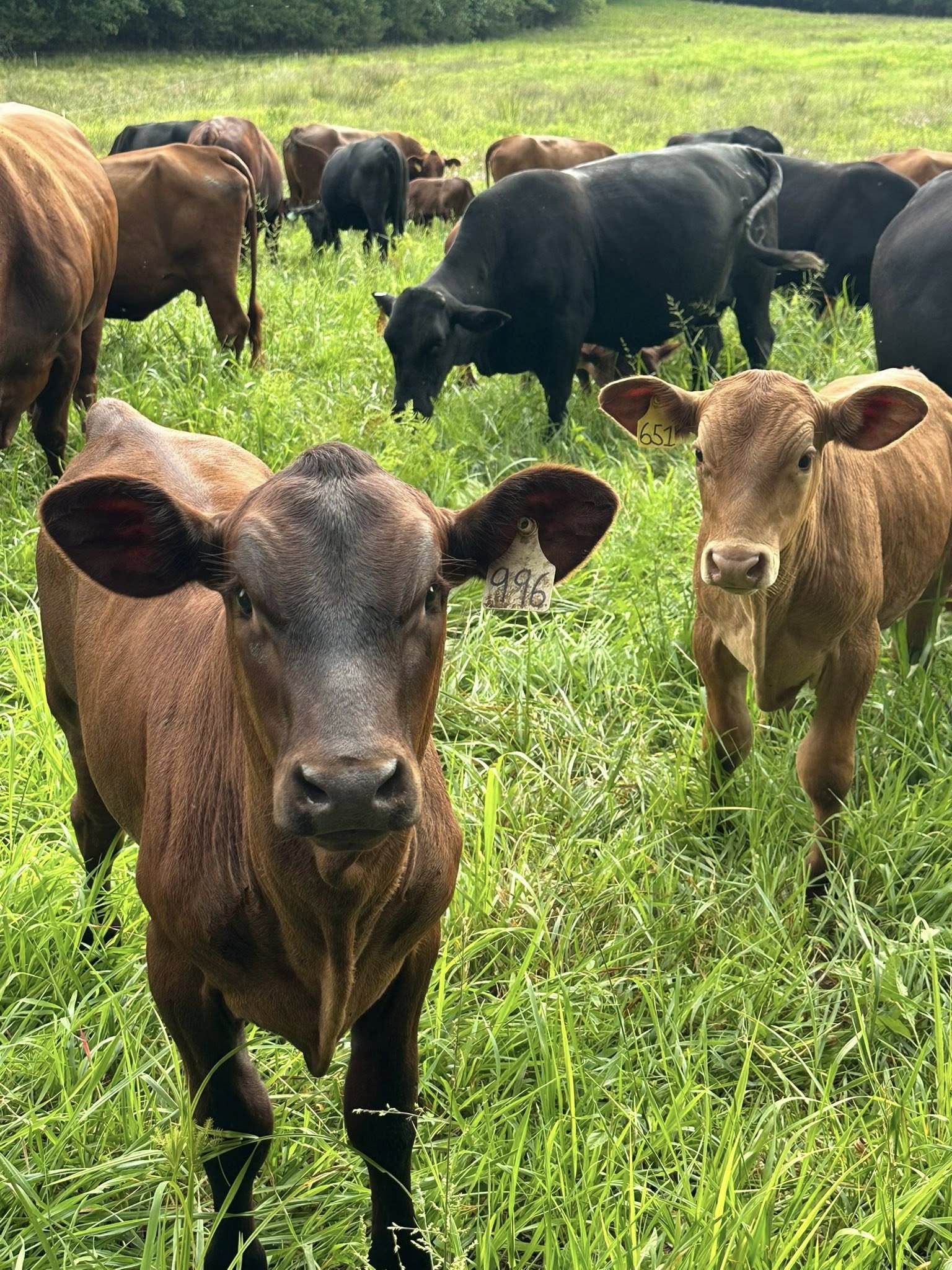
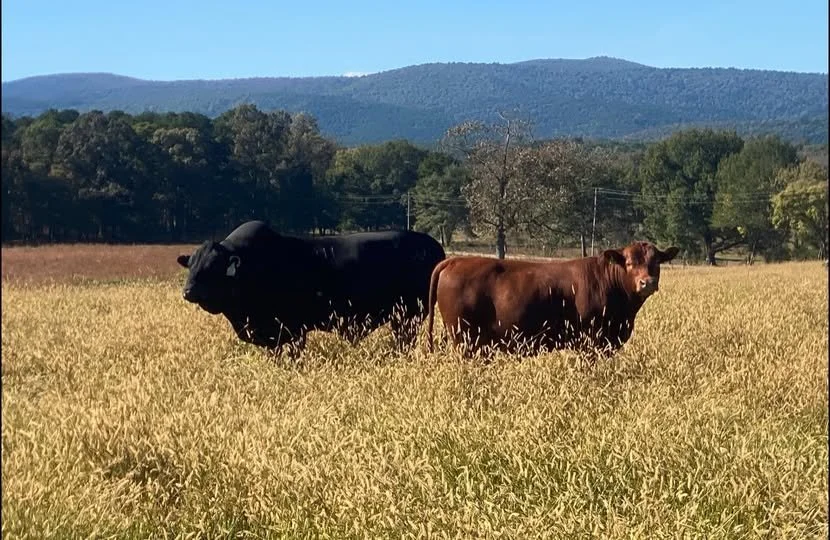
Cow families form the foundation of the program. Bulls are viewed as tools to multiply the best females rather than as the cornerstone themselves. Mature cows typically weigh between 1,050 and 1,100 pounds, displaying deep capacity, strong middles, and clear sexual dimorphism. They are moderate, balanced, and hormonally sound, built to raise calves, maintain condition, and remain productive without special treatment. Routine parasite treatments are no longer required, and calving intervention is rare. Cattle that require constant correction do not remain.
The land reflects these choices. Bare ground has steadily disappeared and been replaced by consistent cover. Native grasses once absent, including big bluestem, Indiangrass, and gamagrass, have begun returning. Soils have become more absorbent, capturing rainfall rather than shedding it. Drought no longer forces panic or destocking. Even during severe drought years, the ranch has continued grazing normally, supported by stockpile and reserve acres built into the system.
Matt is direct about the philosophy behind the operation. Regenerative practices are not ideology. They are tools. Working with nature instead of against it is not sentimental. It is profitable. He also rejects the idea that progress requires abandoning all conventional methods. Strategic one time interventions can accelerate recovery when used intentionally and without dependency. The real failure lies in systems that require constant inputs simply to function.
At its core, the Robbins operation is built around stewardship with accountability. Cattle are used as tools to regenerate land, land is managed to support cattle, and both are expected to contribute to a system that can endure. The outcome is a ranch that improves soil, supports wildlife, produces functional cattle, and leaves something tangible for the next generation to build upon.
Listen to The Sustainable Stock Episode Featuring Matt Robbins

Double R 17
Contact Robbins Ranch
Mailing Address: 703 Polk Rd 48, Mena, Arkansas, United States
Matt Robbins : +1-497-23-1695
Email: MWRobbins1@gmail.com
